Infected Blood Scandal: Campaign Timeline
Decades of persistence
The campaign for truth and justice began long before Factor 8. Infected people, bereaved families, campaigners, lawyers and parliamentarians sustained it across successive decades, often while facing official resistance and public indifference.
This is a selective chronology of the actions and turning points that helped move the scandal from the margins of public life towards investigation, acknowledgement and compensation.
The 1980’s
By the mid-1980s, as the scale of HIV infection among people with haemophilia became known to patients and families, some began speaking publicly about what had happened. They did so amid intense fear and stigma surrounding HIV and AIDS. Early advocacy focused largely on securing practical and financial support with the prevailing narrative presented those infected as victims of terrible misfortune, rather than of institutional wrongdoing.
In the late 80’s, the Government funded the Macfarlane Trust to provide limited financial assistance. Although it offered help to some, many recipients resented being required to seek charitable support for harm caused through NHS treatment, describing the system as a “begging bowl”. As deaths from AIDS-related illnesses mounted and desperation grew, around 1,000 infected people and family members brought legal proceedings against the Government and health authorities.
1990 - 1991: HIV Litigation Ends
Settlement was announced by the Government in December 1990 before individual claimants had been consulted or given an opportunity to consider the terms. It brought the litigation to an end in 1991, providing relatively small payments (through the Macfarlane Trust charity) without any admission of liability.
Many later told the Infected Blood Inquiry that they had felt under immense pressure to accept and were told refusing could prevent anybody from receiving payment. In England and Wales, acceptance also required a waiver surrendering the right to bring future proceedings concerning hepatitis. Although most of those infected with HIV had also been infected with hepatitis C, most had not yet been told and could not have understood what they were being asked to sign away.
1990’s - 2006: Hepatitis C and the continuing fight
Throughout the 1990s, increasing numbers of people learned that they had been infected with hepatitis C. Campaigners sought financial help, compensation and a public inquiry, but successive governments maintained that no wrongdoing had occurred and resisted demands for redress.
Following years of pressure, the Government announced the Skipton Fund in 2003, with payments beginning in 2004. It offered eligible people infected with Hepatitis C relatively small one-off payments. Although its creation represented limited progress, the payments were not compensation, no liability was admitted, the amounts were widely regarded as inadequate and initially excluded anyone who had died before 2003. Parliamentary debates, individual legal cases and campaign groups with limited resources kept the scandal alive, but calls for comprehensive compensation and a public inquiry remained unanswered.
2007–2009: The Archer Inquiry
In light of the UK government’s refusal to hold a public inquiry, Lord Archer of Sandwell led an independent, non-statutory inquiry into contaminated blood products. Its report made important findings and recommendations, but its limited funding, relatively small evidence base, lack of statutory powers and the Government’s limited response meant little had changed.
2015: The Penrose Inquiry
A statutory inquiry announced in 2008, examined infections in Scotland. When the Penrose Report was published in March 2015 with only one recommendation (that people treated with blood before 1991 should get a hepatitis c test), many infected and affected people believed that the central questions had once again gone unanswered.
Lord Penrose did not attend the publication of the report and it was widely branded a whitewash.
Factor 8 and the fight for an inquiry
2015 - 2016: A new investigation begins
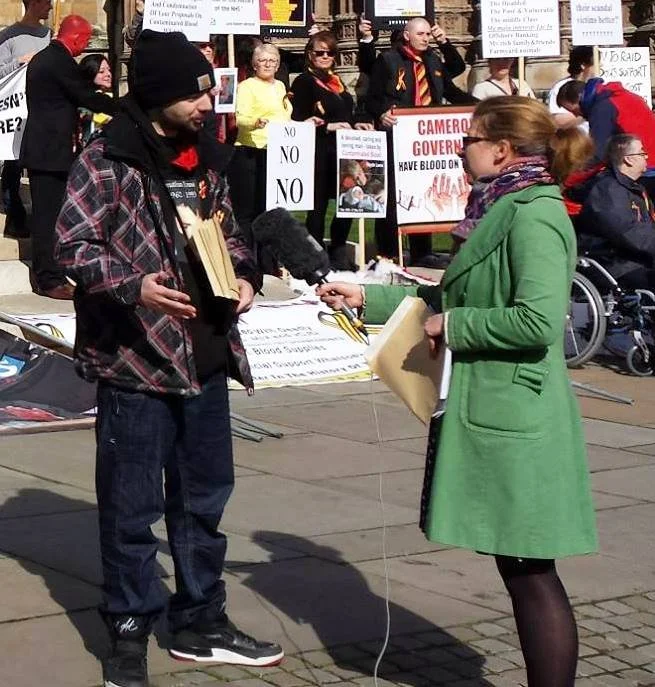
Following the Penrose Report, Jason began systematically investigating the scandal himself. He established Factor 8, searched archives, pursued information requests and supplied documentary evidence to MPs, lawyers and journalists.
April - May 2017: Returning the scandal to court
Jason presented evidence to Collins Solicitors and became the first client in what developed into the contaminated blood products group litigation. His legal claim became public when BBC Panorama broadcast Contaminated Blood: The Search for the Truth.
July 2017: Evidence, litigation and an inquiry
Evidence uncovered and presented by Jason appeared on the front page of the Daily Mail, while group litigation under Jason Evans & Others was lodged on behalf of more than 400 people. Amid mounting pressure outside and inside Parliament, the Government announced a public inquiry.
2017 - 2018: Securing a statutory process
Jason organised letters signed by various campaign groups and infected and affected people called for an inquiry with statutory powers, independent of the Department of Health. Both principles were adopted. The Group Litigation Order was granted and Factor 8 was accepted as an organisational Core Participant in the Inquiry.
2019: Protecting and exposing the evidence
Jason obtained an internal government audit showing that almost 1,000 contaminated-blood files had been checked out of government departments. Following an FOI-investigation, he also alerted the Inquiry to a failure to circulate its document-retention notice throughout the NHS and continued turning archival discoveries and evidence jigsaw solving into national news stories.
From inquiry to compensation
2020 - 2021: Proposing a compensation framework exercise
At a Cabinet Office meeting in January 2020, Jason proposed that work on a compensation framework exercise should begin before the Inquiry reported. Factor 8 sustained the pressure through letters, parliamentary questions and public campaigning. In March 2021, the Government announced that a framework study would take place and appointed Sir Robert Francis KC to carry it out.
2021 - 2022: Evidence and final submissions
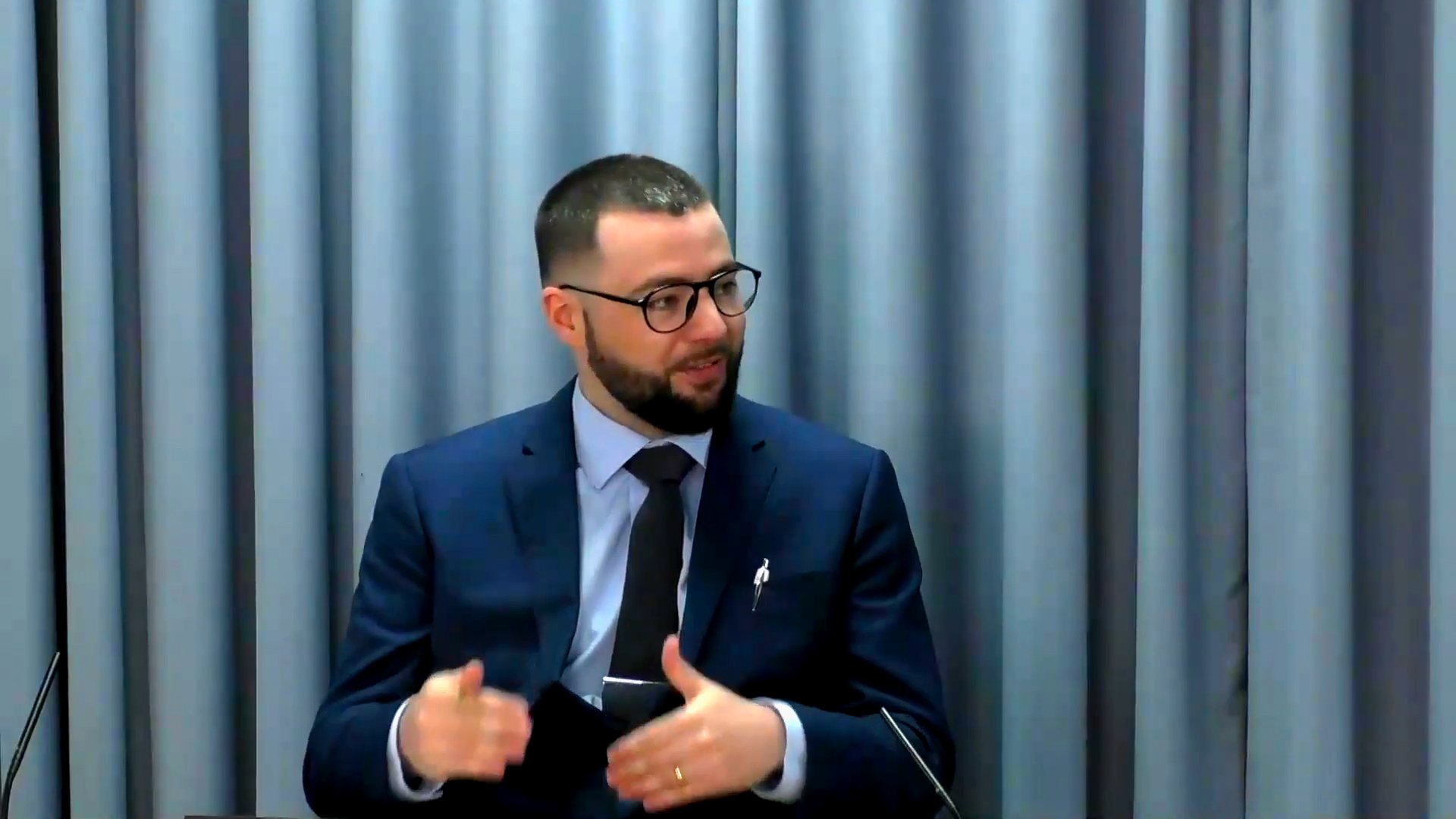
Jason gave oral evidence to the Infected Blood Inquiry in June 2021. Factor 8 later submitted compensation principles supported by around 200 people, while Jason contributed to the legal team’s closing submissions and continued exposing evidence through the media.
2023: Forcing action on compensation
Jason urged the Inquiry to hold further hearings on the Government’s response to compensation and campaigned for all infected people who had died to be included. He organised protests and multiple visits of victims to 10 and 11 Downing Street. He also contacted every MP and spent days in Central Lobby ahead of a Commons vote that forced the Government to accelerate the creation of a compensation body.

Early 2024: Evidence and renewed public pressure
Jason successfully resisted a Department of Health legal challenge to one of his Freedom of Information cases. He also assembled evidence for a succession of high-profile media placements and launched a petition for bereaved son Sam Rushby that attracted almost 100,000 signatures calling for compensation.
May - August 2024: Findings and a compensation scheme
The Infected Blood Inquiry published its final report, confirming that the scandal could largely have been avoided and that the truth had been hidden. The Government announced its compensation proposals and, amid a general election announcement and much parliamentary wrangling, established the Infected Blood Compensation Authority. Factor 8 provided detailed submissions on how the scheme should operate.
January 2025: A new phase
After almost a decade of sustained investigation and campaigning, Jason stepped down as Director of Factor 8. He began working as a consultant to the Infected Blood Compensation Authority, helping to translate the campaign for compensation into its delivery.